
How to choose a fast charger in Pakistan (that won't damage your phone)
Watts, USB-C PD, Quick Charge and brand protocols explained simply, plus the right cable, how to spot a fake charger and how to charge safely during load-shedding.
On this page
The short answer: buy a fast charger that speaks the same charging "language" as your phone, from a source you trust, and use a cable rated for that speed. A genuine charger with more watts than your phone needs is safe, because the phone decides how much power it takes. What damages phones is rarely the number on the box. It is badly made chargers, weak cables and too much heat.
Below we explain watts, USB-C Power Delivery, Quick Charge and the brand systems in plain language, how to spot a fake, and how to charge sensibly with load-shedding, UPS power and unstable voltage.
What "fast charging" actually means
Watts are the speed
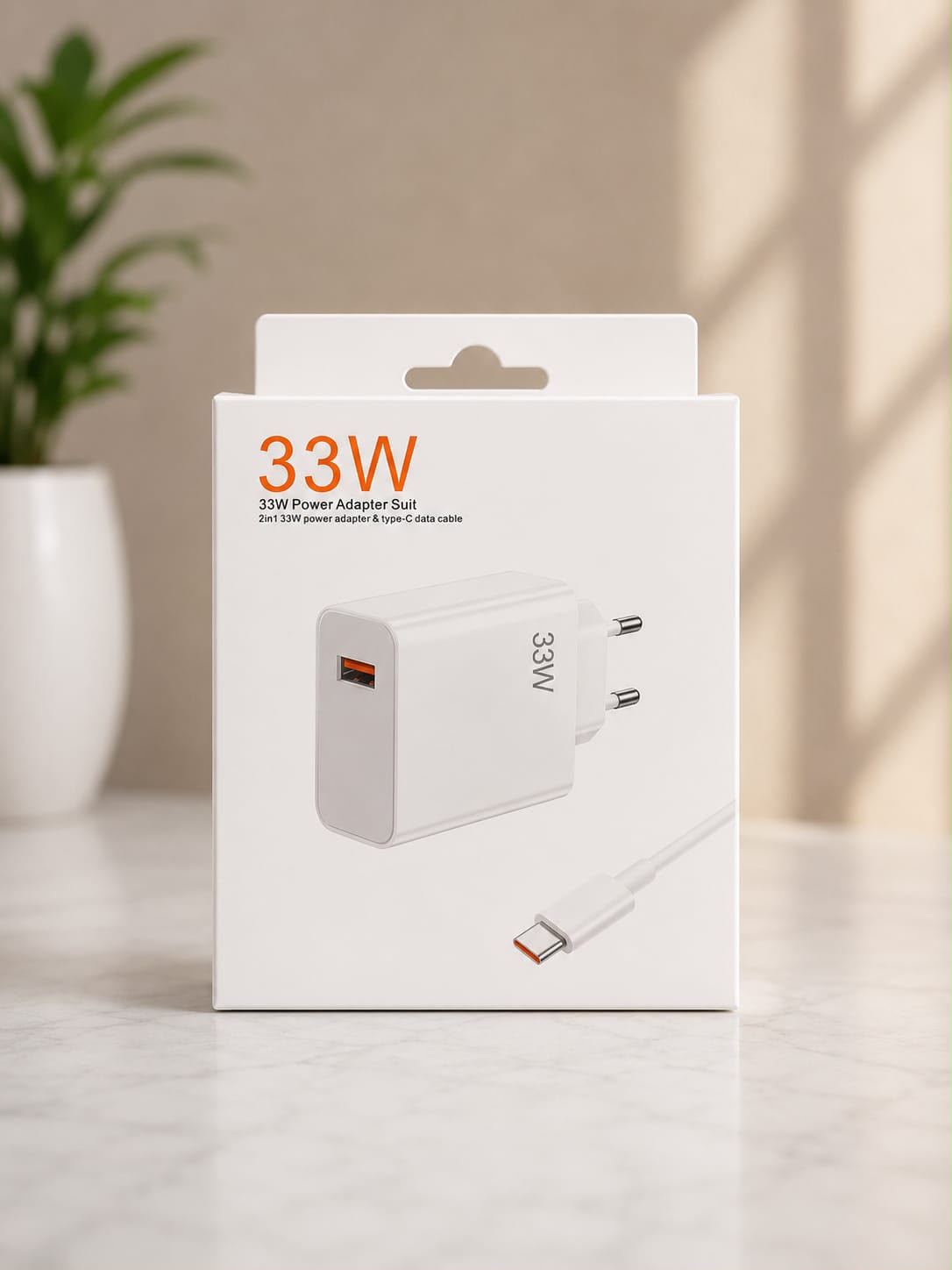
A charger's speed is measured in watts (W). Watts are simply volts multiplied by amps. An old basic charger gives 5V at 1A, which is 5W. Today's fast chargers commonly run from about 18W to 120W.
More watts only help if the phone can accept them. A phone that tops out at 25W charges at about 25W on a 25W or a 65W charger.
The phone is in charge, not the charger
A proper fast charger does not push power into your phone. When you plug in, the phone and charger have a short conversation, a "handshake", and agree on a safe voltage and current. If they share no common fast-charging method, they fall back to slow, basic charging.
That is why a good 65W charger is safe for a 15W phone. The phone only asks for what it can handle.
A higher-watt charger is safe. A badly made charger of any wattage is not.
Also, every phone slows down as the battery fills, especially past about 80%, to protect it. "50% in 15 minutes" claims describe the first half, not the full charge.
The charging standards, explained simply
USB-C Power Delivery (PD)
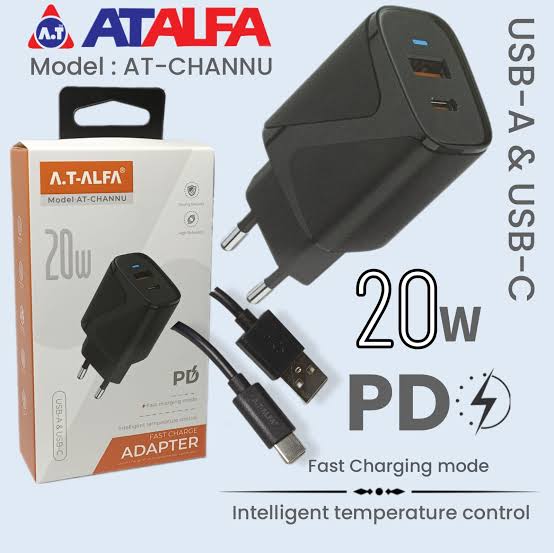
USB Power Delivery (PD) is the open, universal standard over USB-C, used by iPhones, Samsung, Google Pixel and many tablets and laptops. One good PD charger can often charge your phone, earbuds and even a laptop.
A newer part of PD called PPS (Programmable Power Supply) adjusts voltage in small steps, which can mean less heat. Samsung's Super Fast Charging relies on PD with PPS. So for a recent Samsung phone, look for "PD" and "PPS" on the charger or its box, not just a high watt number.
Qualcomm Quick Charge (QC)
Quick Charge is Qualcomm's system, common on Snapdragon Android phones and car chargers. Older versions such as QC 3.0 use a USB-A port; newer ones work alongside USB PD, so many chargers list both, e.g. "PD + QC".
Brand systems: Xiaomi, Oppo, Vivo, Realme, OnePlus
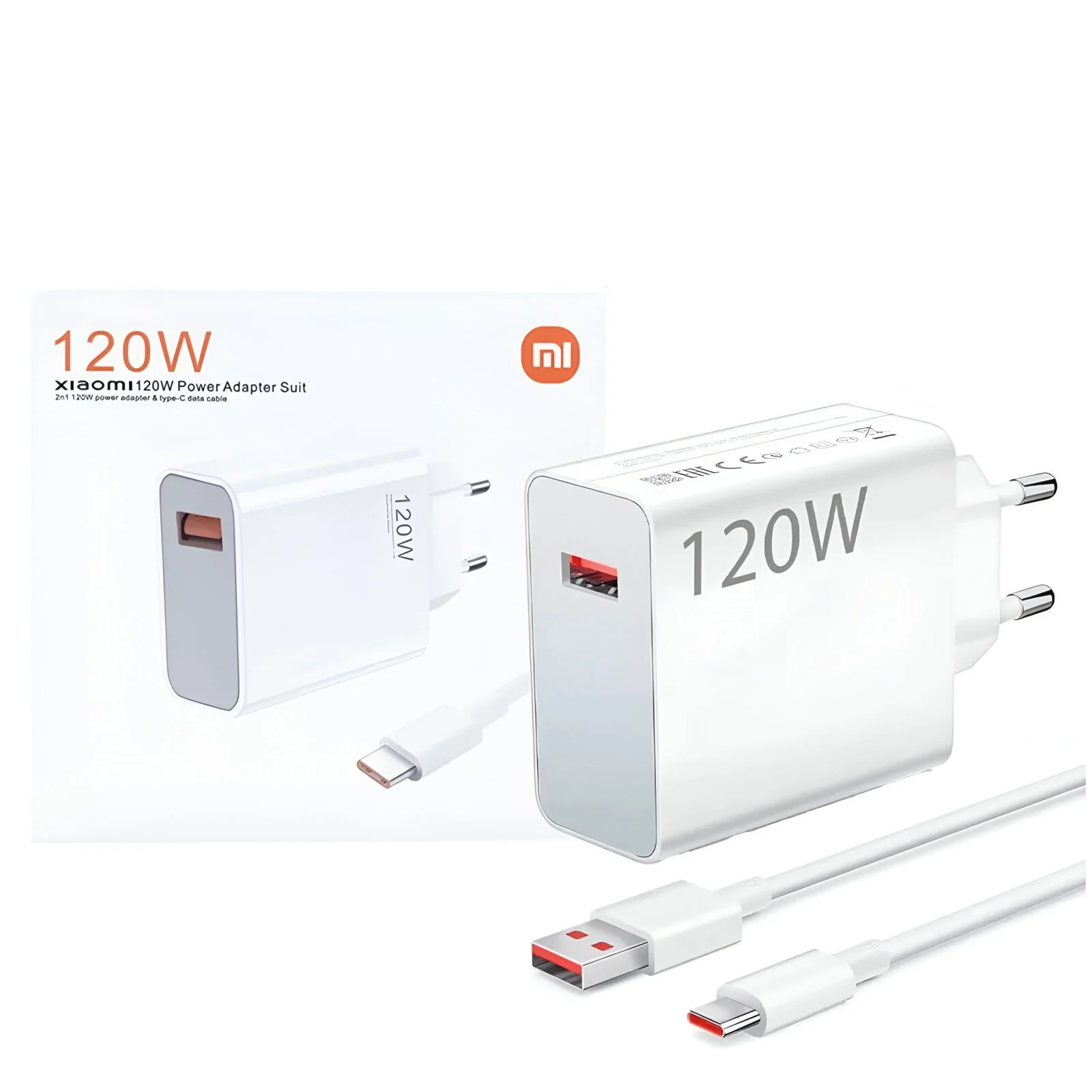
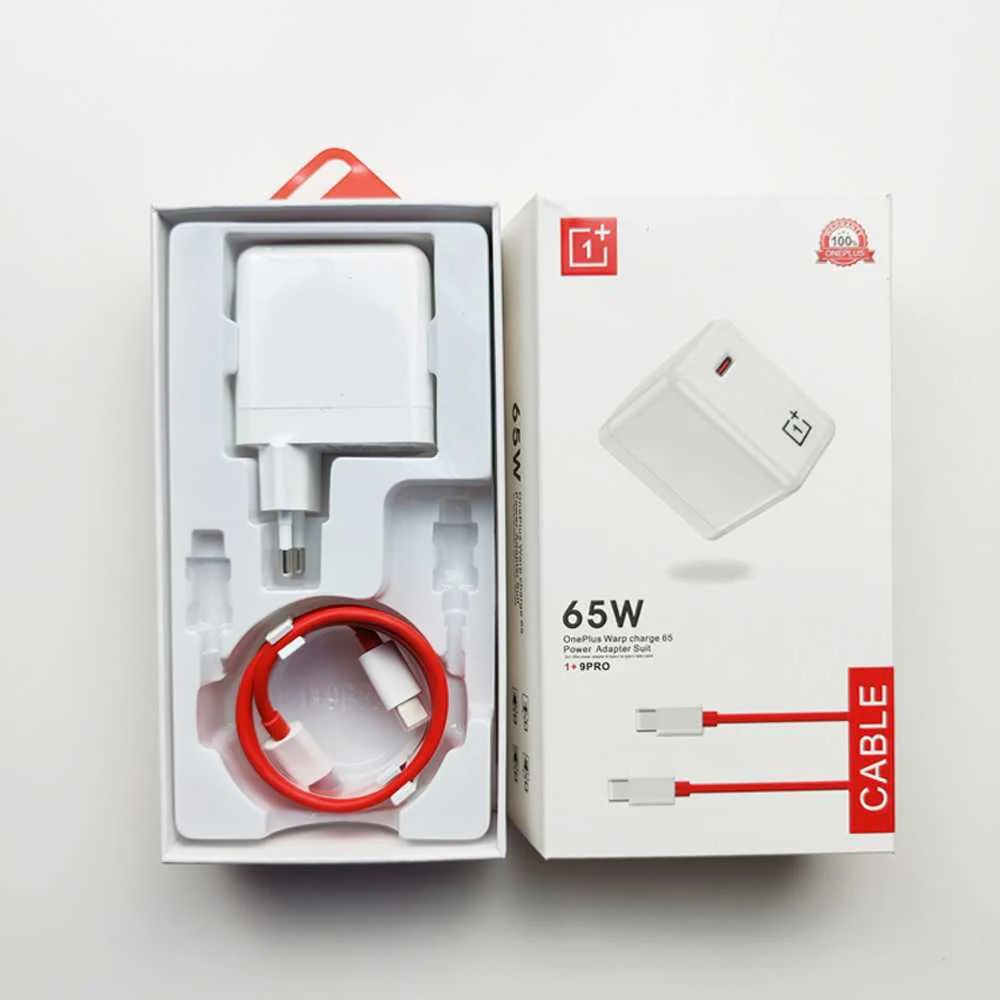
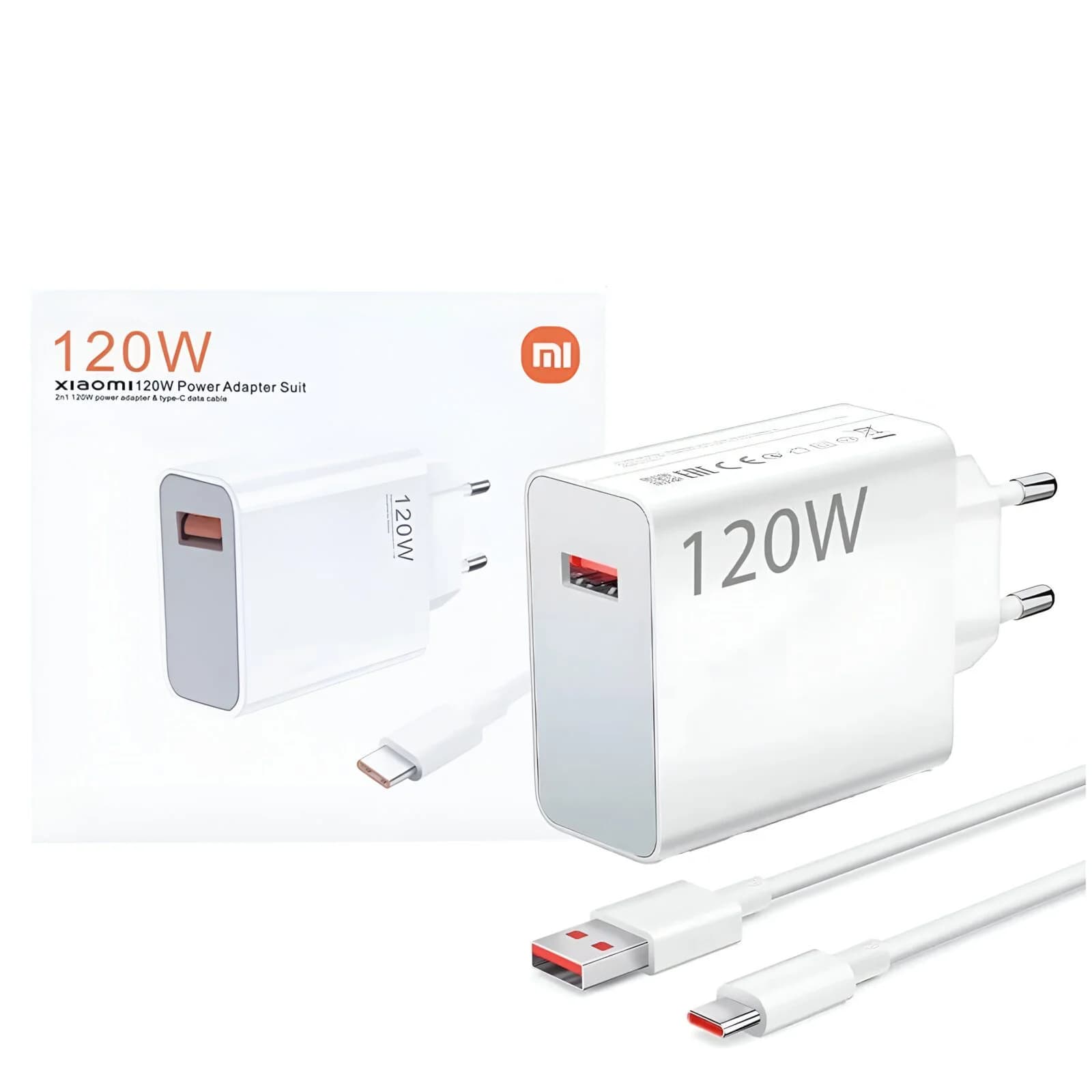
Several brands use their own fast-charging methods. Xiaomi has HyperCharge, Oppo and OnePlus use SUPERVOOC, Vivo uses FlashCharge, and Realme has its own versions. These can reach very high speeds, but usually only with the brand's own charger and the brand's own cable.
On an ordinary charger these phones still charge safely, just often much slower. Customers often bring us a new high-watt charger that is "not working fast", and usually the phone and charger simply do not share the same system.
Quick comparison
| Charging type | Port | Works with | Needs special cable? | Good for |
|---|---|---|---|---|
| Basic USB (5W–12W) | USB-A | Nearly everything | No | Old phones, earbuds, overnight charging |
| USB-C Power Delivery (PD) | USB-C | iPhone, Samsung, Pixel, tablets, many laptops | A good USB-C cable; e-marked for above 60W | One charger for many devices |
| PD with PPS | USB-C | Recent Samsung phones and others that support it | A good USB-C cable; e-marked for 45W | Full speed on Samsung Super Fast Charging |
| Qualcomm Quick Charge | USB-A or USB-C | Many Android phones, car chargers | A decent thick cable | Snapdragon Android phones |
| Brand systems (HyperCharge, SUPERVOOC, FlashCharge) | USB-A or USB-C | That brand's phones | Usually the brand's own cable | Top speed on that brand only |
Why the cable matters as much as the charger
Rated cables and e-marking
A standard USB-C cable safely carries up to 3 amps, about 60W. Above that, the cable needs a small chip called an e-marker confirming it can take more current (up to 5 amps). Without it, a 100W charger holds itself back to around 60W, as it should. Samsung's 45W charging also needs a 5A e-marked cable.
Brand systems like SUPERVOOC or HyperCharge often use special cables too, so keep the one from the box.
Thin, cheap cables waste speed
A thin, cheaply made cable wastes power as heat, and the phone may slow charging to stay safe. If speed drops with a new cable, suspect the cable first.
Buy a cable rated for your charger's wattage, with the right connector. Browse our data cables by connector, or choose something like the Ronin R-2040 Type-C to Type-C cable for a USB-C PD charger.
How to spot a fake or "copy" charger
Counterfeit chargers sold as "original" are common in markets across Pakistan. A fake can lack the protection circuits that stop overheating, short circuits and voltage spikes from reaching your phone.
Signs that a charger is fake
Weight: genuine chargers contain proper transformers, capacitors and protection parts. A fake often feels light or hollow. Not proof on its own, but a strong clue.
Print quality: blurry logos, spelling mistakes, uneven fonts or print that rubs off easily.
Missing details: a real charger lists its model number, input (such as 100–240V) and outputs (volts and amps for each mode) in small print. Fakes often show only a big watt number.
Missing or odd safety marks: look for the usual certification marks. Marks that look smudged or misspelled are a warning sign.
Poor build: gaps at the seams, wobbly pins, a loose fit in the socket or a rattle inside.
Price: a "120W original" priced like a basic charger is almost certainly not original.
Behaviour: gets very hot quickly, buzzes, smells of plastic, or charges slowly despite big claims.
Some affordable chargers are honestly sold as copy or compatible models, which is a price choice made in the open. On our site the product name says so plainly. The real problem is a fake passed off as original.
Heat, battery health and everyday habits
Heat is the biggest enemy of a phone battery. Fast charging naturally makes a phone warm, and that is normal. Very hot is not.
Good habits, especially in a Punjab summer:
Do not charge under a pillow, on a bed or in direct sun.
Avoid heavy gaming or video calls while fast charging.
If the phone gets hot, remove a thick case while it charges.
Never leave a phone charging on a car dashboard in summer.
Use the phone's own battery-protection or "optimised charging" setting if it has one.
Overnight charging on a good charger is fine; modern phones stop at full.
Charging during load-shedding, on a UPS or inverter
Unstable voltage and spikes
Many areas see voltage drops, surges and spikes, especially when electricity returns after load-shedding. Most phone chargers accept a wide input range, often 100–240V (check the small print). Good ones include protection, but a cheap charger may not.
Simple precautions help:
Unplug chargers during storms or when electricity is unstable.
Wait a minute after power returns before plugging in.
Use a quality extension board, and consider a plug-in voltage protector if your area sees big swings.
Using a UPS or inverter
Charging from a home UPS or inverter is generally fine; a phone charger uses very little power. Some UPS units give a rougher output than the grid, and a few cheap chargers may hum or run warm on it. If a charger hums, smells or gets unusually hot only on UPS power, stop using it there and switch to a better-quality one.
Charging in the car
In the car, use a proper car charger with PD or QC rather than a weak USB port. Options like the WKN-106 55W car charger (QC 4.0 + PD) are in our car mobile chargers range.
Fast charger buying checklist
I know my phone's maximum charging speed and its charging system (PD, PPS, QC or a brand system).
The charger supports that system, ideally named on the box or label.
Wattage is equal to or higher than my phone's maximum (higher is fine).
The cable is rated for the wattage, and e-marked if it is above 60W over USB-C.
The label shows a model number, input range and output ratings.
Build quality, weight and print look right.
The price is believable for the brand and wattage.
The seller offers a return or warranty if it turns out faulty.
You can compare options in our mobile chargers collection.
Frequently asked questions
Will a 65W fast charger damage my phone that supports only 18W?
No, not if the charger is genuine and well made. Your phone asks only for the power it can handle and simply charges at its own maximum speed.
Can I use a Samsung charger on a Xiaomi or Oppo phone?
Yes, it is safe. But you will usually get a standard or PD speed, not the phone's top brand speed. For the fastest charge on Xiaomi, Oppo, Vivo, Realme or OnePlus, use that brand's charger and cable.
Is fast charging bad for the battery?
Fast charging is designed to be safe, and phones slow down as the battery fills. Heat is the bigger concern, so keep the phone cool while charging.
Why is my new fast charger charging slowly?
The most common reasons are a cable that is not rated for fast charging, a phone and charger that do not share the same charging system, or a hot phone slowing itself down. Try the original cable first.
What is an e-marked cable and do I need one?
It has a small chip confirming it can safely carry more than 3 amps. You need one for USB-C charging above about 60W, and for Samsung's 45W charging. For most other phones, a good regular USB-C cable is enough.
Conclusion
A safe fast charger is not about the biggest watt number. Match the charging system to your phone, use a properly rated cable, buy from a trusted seller and keep the phone cool.
We have been helping customers choose electronics in Burewala since the 1960s, across three generations. We deliver across Pakistan with cash on delivery, free delivery on orders over Rs 5,000, and easy returns: if something is wrong, send us your unboxing video on WhatsApp at 0300 7594322 within 3 days (see our return and replacement policy). Browse our mobile chargers, or send us your phone model on WhatsApp at 0304 4403336 and we will tell you which charger and cable to get.